Home Articles About Contact Privacy Policy Terms of Service
Botanical Reference Archive

Italy's Gardens, Mosses,
and Living Plant Collections

Detailed notes on historic botanical gardens, moss garden practice, and active conservation work across the Italian peninsula.

Recent Articles

From the Archive

Historic Gardens as Living Scientific Records

The botanical gardens founded at Italian universities in the 1540s were not parks. They were working research collections tied to medical faculties and natural philosophy. Their original layouts, specimen rosters, and planting notes represent an unbroken documentary chain reaching into the present day.

Read the overview

Themes

Key Areas Covered

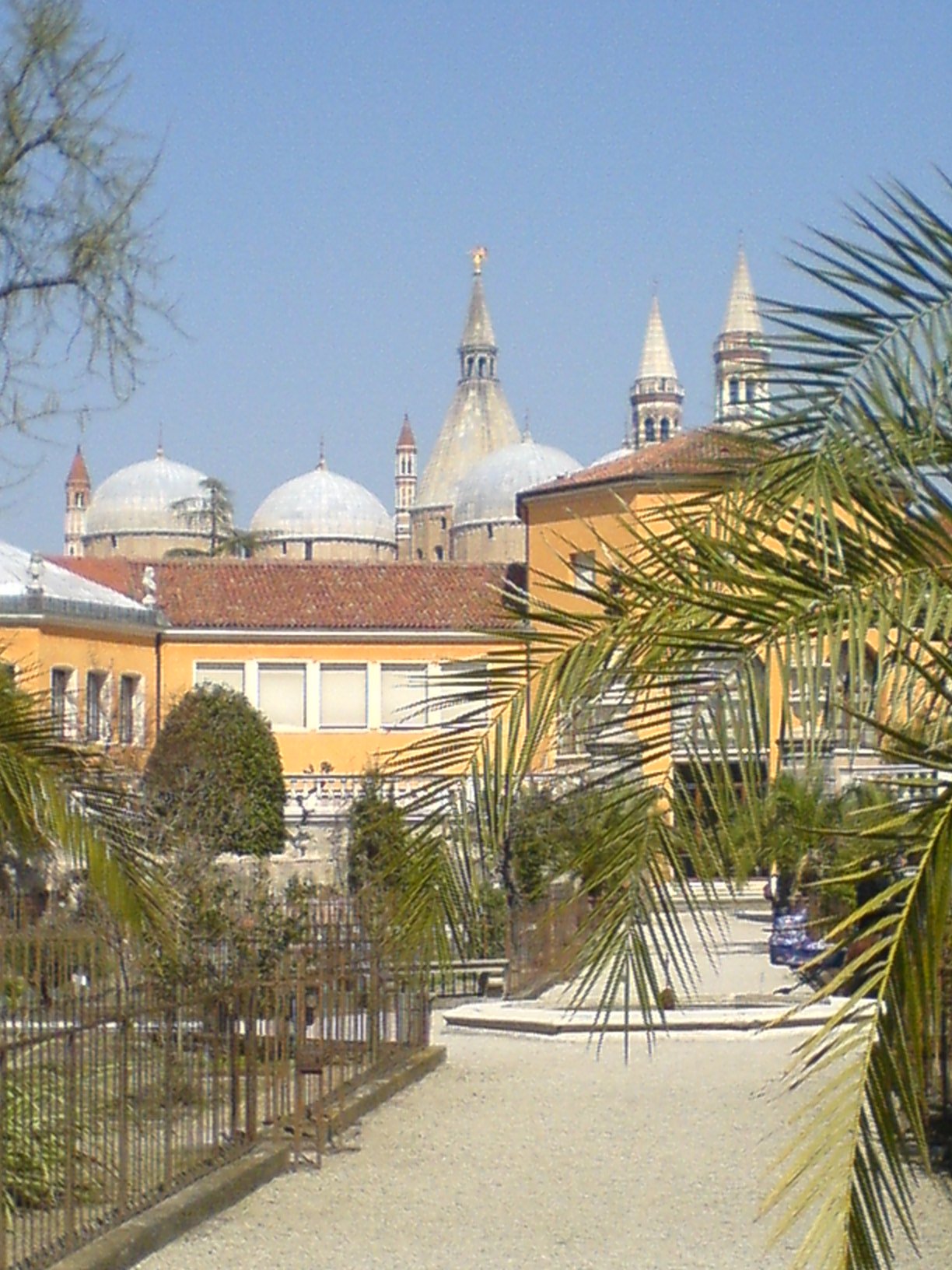
Path intersection at Orto Botanico di Padova

Garden Layout & Design History

How Renaissance hortus conclusus principles evolved into the structured walled garden forms seen in Padua, Pisa, and Bologna.

Moss garden showing bryophyte coverage on rock surfaces

Bryophyte Ecology in Garden Contexts

Mosses, liverworts, and hornworts in botanical gardens — their ecological roles, propagation constraints, and use in shade and rockery plantings.

Orto Botanico di Palermo with Mediterranean plantings

Southern Italian & Sicilian Flora

Mediterranean climate collections in Palermo and Catania hold species absent from northern gardens — citrus relatives, palms, and endemic Sicilian endemics.

Apennine Conservation: What the Field Records Show

The Apennine range hosts an unusual concentration of endemic vascular plants, many restricted to specific altitude bands or geological substrates. Several botanical reserves now maintain coordinated seed banks and propagation protocols for species listed under Italian national protection law.

Read the article

Padua's Garden: 480+ Years of Continuous Cultivation

Founded 1545, the Orto Botanico dell'Università di Padova holds the original circular layout designated by the Republic of Venice. It was inscribed on the UNESCO World Heritage List in 1997 and still maintains active teaching and research functions.

More details

Moss in Alpine Rockeries: Substrate Notes from Field Stations

Field records from the Gran Sasso and the Dolomites indicate that established moss colonies require a substrate pH between 4.5 and 6.0, consistent indirect light, and relative humidity above 65% during the growing period. Irrigation scheduling directly affects patch persistence.

Read article

Questions or corrections?

The archive is maintained by an independent editorial group. Factual corrections and additions from researchers and garden curators are welcome.

Get in touch