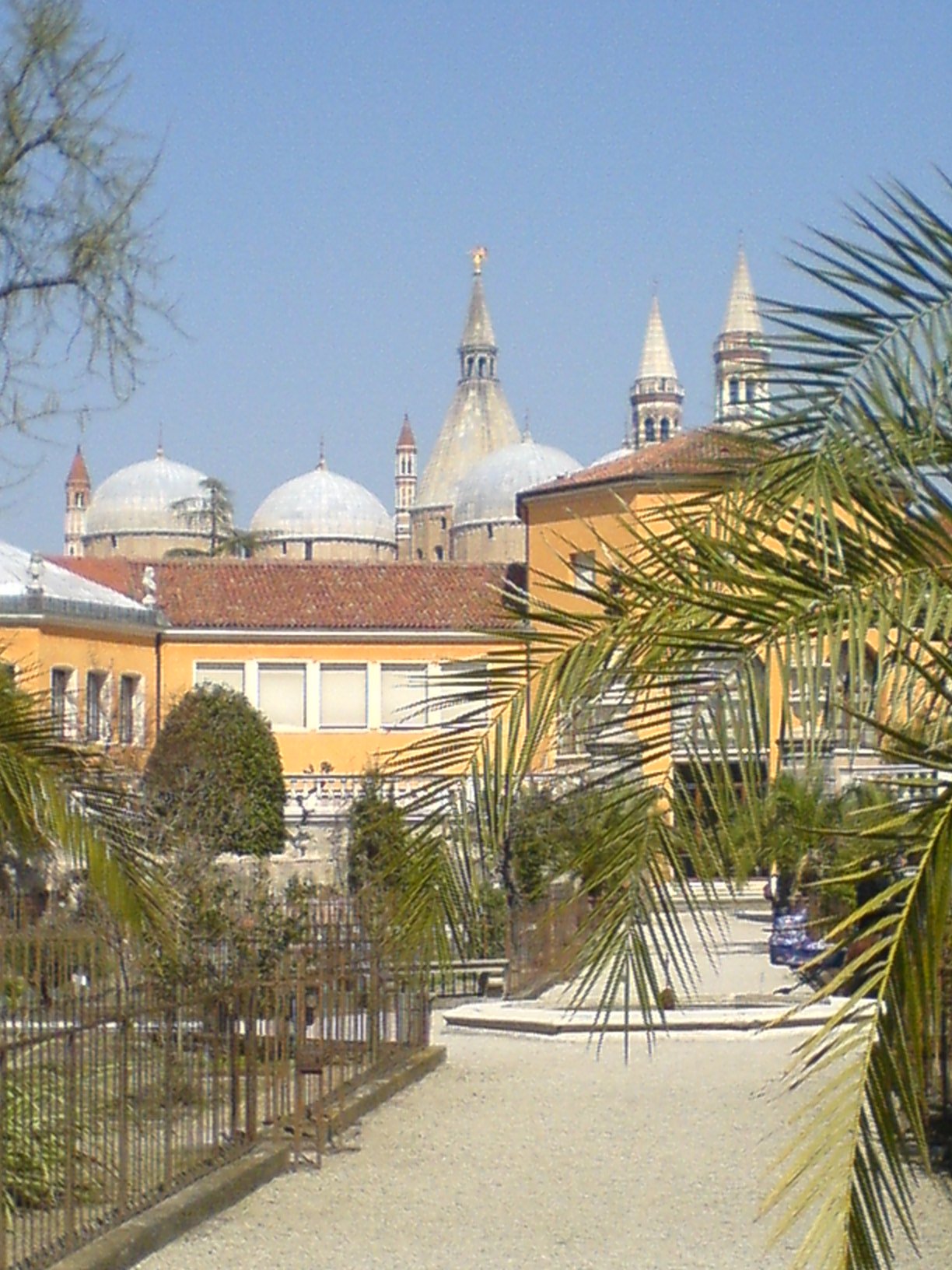
Orto Botanico di Padova — the central circular garden in its 1545 layout. UNESCO World Heritage Site since 1997. Image: Wikimedia Commons, CC BY-SA.
The botanical gardens established at Italian universities in the 1540s were not conceived as pleasure grounds. They were field stations for medical and pharmaceutical research, stocked with plants whose properties were being systematically documented for the first time in Western institutional science. Four gardens from this founding period survive in Italy with continuous records: Padua (1545), Pisa (1544 or 1543, depending on which founding act is accepted), Florence (1545), and Bologna (1568). Of these, Padua's circular walled enclosure remains closest to its original design.
The University Garden Tradition
The concept of the hortus medicus — a garden directly attached to a university medical faculty — emerged independently at several northern Italian universities within a few years of each other. The University of Pisa's Orto Botanico is generally credited as the earliest, established at the instruction of Cosimo I de' Medici with Luca Ghini as its first director. Ghini, a physician and botanist, also contributed to the development of the herbarium as a documentation tool, teaching the technique of pressing and mounting dried specimens that remains standard today.
The Padua garden followed shortly after, and its circular layout — a walled circle subdivided into quadrants — was specifically designed to allow the systematic arrangement of specimens by their medicinal properties. The design survives largely intact and is the principal reason UNESCO designated the garden as a World Heritage Site in 1997, citing it as the origin of all subsequent botanical gardens worldwide.
What the Original Collections Contained
Early plant inventories from Padua and Pisa show a emphasis on Mediterranean and Middle Eastern species known from classical texts — above all from Dioscorides' De Materia Medica, which served as the primary pharmaceutical reference. Alongside common Italian flora, the early collections included specimens brought by trade networks from the Ottoman Empire, North Africa, and the Levant. By the late 16th century, material from the Americas was already appearing in Italian gardens, including tobacco (Nicotiana tabacum), potato (Solanum tuberosum), and various bean species.
The Orto Botanico dell'Università di Padova currently holds over 6,000 living accessions and maintains historical records that allow some specimen lineages to be traced across multiple centuries.
Southern Foundations: Palermo and Naples
The Bourbon Kingdom of the Two Sicilies established botanical gardens at both Naples and Palermo in the late 18th century. These were founded under different circumstances — as state institutions rather than university faculties — and their collections reflect the different priorities of that period: agronomic experimentation, acclimatisation of tropical species, and the display of botanical diversity for an educated public.

Orto Botanico di Palermo. Founded 1795. Holds one of Italy's most significant collections of Mediterranean and subtropical taxa. Image: Wikimedia Commons, CC BY-SA.
The Orto Botanico di Palermo, established in 1795 and directed initially by the German botanist Friedrich Dehnhardt, holds specimens of a different character from the university gardens. Its neoclassical layout opens onto long avenues flanked by large-canopy trees — among them Ficus macrophylla specimens planted in the 19th century that have since grown to architectural scale, their aerial root systems now partly supporting the canopy weight. The Palermo collection has particular strengths in Sicilian endemic flora and in the Mediterranean macchia communities of western Sicily.
Naples' Orto Botanico di Napoli, founded in 1807, was established during the Napoleonic period by Joseph Bonaparte and shares the acclimatisation emphasis of botanical gardens from the same era in Paris and Madrid. It currently maintains around 9,000 living taxa across approximately 12 hectares.
Living Collections as Scientific Infrastructure
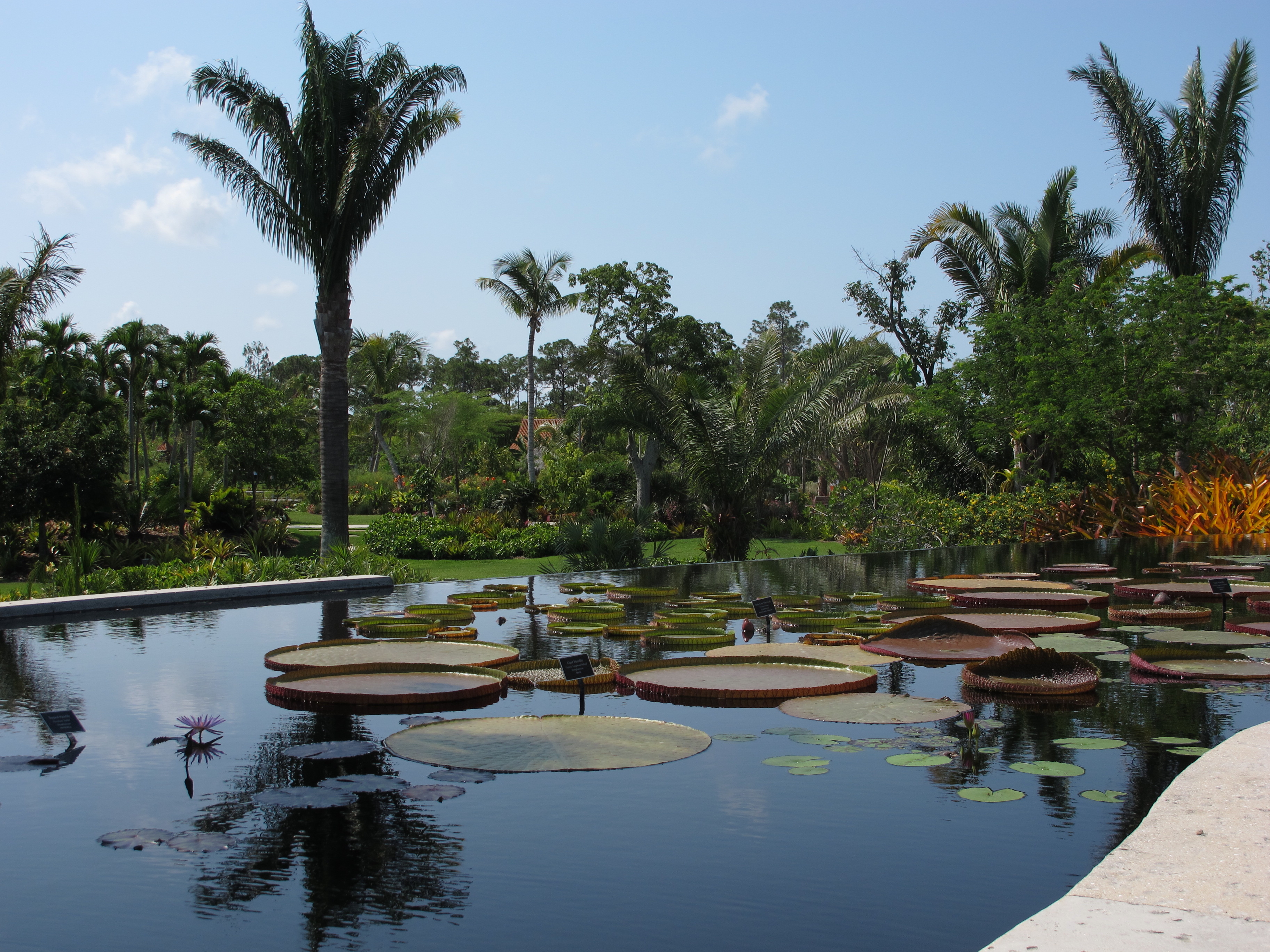
Naples Botanic Garden, established 1807. Image: Wikimedia Commons, CC BY-SA.
The distinction between a botanical garden and a public park is not primarily visual. It lies in the documentation practices that accompany the living collection. Each accession in a properly maintained botanical garden has a record noting its origin, acquisition date, collector, and any ex situ conservation status. Without this documentation, specimens have only display value; with it, they can contribute to research on genetic diversity, phenology, and the effects of climate on growing cycles.
Several Italian gardens have been working since the 1990s to digitise accession records and make them available through the BGCI PlantSearch database, which aggregates living collection data from botanical gardens worldwide. The degree of digitisation varies considerably between institutions.
Conservation Status and Threats
Italy's historic botanical gardens face a set of converging pressures. Underfunding has been a persistent problem for the university-affiliated gardens, several of which operate with staffing levels significantly below what is needed to maintain collection documentation standards. Climate change has altered growing conditions at many sites, particularly in southern Italy, where summer drought and higher peak temperatures have stressed species acclimatised to earlier climatic regimes.
Invasive species present a specific management challenge. In several Sicilian gardens, the spread of highly competitive introduced plants requires ongoing manual removal to prevent them from suppressing endemic collection material. The same problem affects open habitat areas within Apennine botanical reserves.
What Remains, and Where
For researchers and interested visitors, the key resources are:
- Padua — UNESCO heritage site, historic layout, university collections; visitor access maintained.
- Pisa — Continuous operation since the 1540s; strong taxonomic collections; university-managed.
- Florence (La Specola) — Combined natural history museum and historic botanical specimens.
- Palermo — Best Mediterranean and subtropical holdings in Italy; neoclassical grounds.
- Naples — Large urban collection; strongest in tropical and subtropical accessions.
- Rome (Botanical Garden of Roma Tre) — Secondary institution with active research functions.
This list is not exhaustive; Italy holds approximately 80 botanical gardens of varying scale and specialisation, catalogued in part by the Italian Botanical Society.
Related Reading
For moss cultivation practices used in alpine sections of Italian botanical gardens, see the companion article on substrate preparation and humidity management.
Moss Cultivation in Alpine Gardens